From Portland to Miami: Six American Cities Where Ramen Has Taken on a Life of Its Own
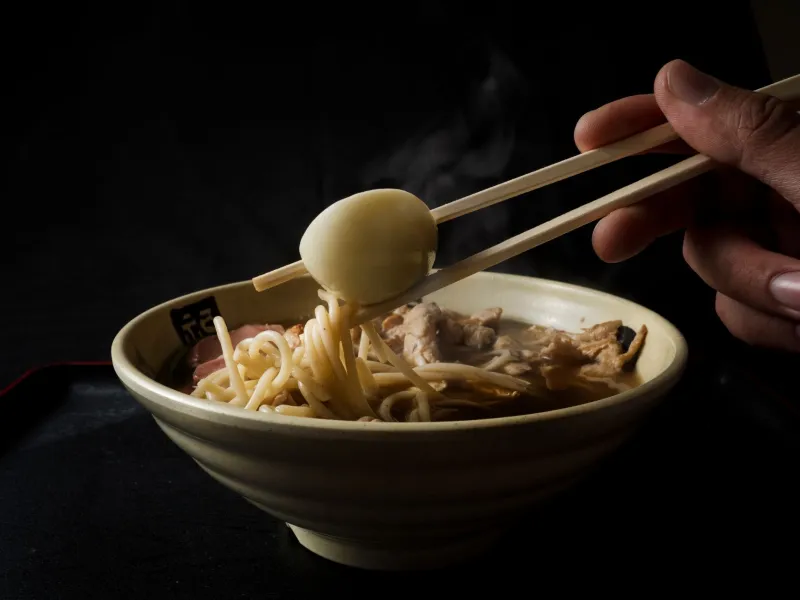
Something interesting has happened to ramen in America over the past decade or so. What started as a wave of Japanese imports — authentic shops from Tokyo and Fukuoka opening outposts in New York and LA — has evolved into something harder to categorize and honestly more exciting. American ramen is finding its own voice. And it sounds different depending on where you're standing.
This isn't a story about fusion gimmicks or ramen burgers (though, hey, no judgment). It's about how cities with distinct food cultures, local ingredient access, and wildly different communities have shaped the way ramen gets made and eaten across the country. Let's take a city-by-city look.
New York City: The Benchmark and the Battleground
If you want to understand American ramen, you probably start in New York. It's where the scene first took hold in a serious way, and it's still the city with the highest concentration of ramen shops, from tiny counter spots in the East Village to sleek, reservation-required dining rooms in Midtown.
New York ramen tends to skew serious. The chefs here are often trained in Japan or have spent significant time studying under Japanese masters, and there's a reverence for technique that shows up in every bowl. Shoyu and tonkotsu dominate, but you'll also find exceptional shio ramen if you know where to look.
What makes New York's scene distinct is the competition. With so many shops fighting for attention in one of the world's most discerning food cities, quality is constantly being pushed upward. It's not unusual to find a New York ramen shop using house-made noodles milled from locally sourced wheat, or a tonkotsu broth that's been simmering for 48 hours straight.
Los Angeles: Where Japanese Tradition Meets California Produce
LA's ramen culture has deep roots in its Japanese-American community, particularly in the Sawtelle neighborhood and Little Tokyo, where some of the oldest and most respected ramen shops in the country operate. But the city's broader food identity — obsessively seasonal, produce-forward, health-conscious — has quietly shaped what ramen looks like here.
You'll find LA ramen shops offering lighter, dashi-forward broths that highlight local vegetables. Toppings might include farmers market corn, avocado (yes, it works), or locally raised pork chashu. Vegan and vegetarian ramen is more thoughtfully executed here than almost anywhere else in the country, driven by both demand and the incredible quality of California produce.
That said, the traditional spots in Little Tokyo aren't going anywhere. LA holds both worlds simultaneously — and that's kind of the whole point of the city.
Portland, Oregon: The DIY Ramen Capital
Portland's food scene has always had a bit of a mad scientist quality to it, and ramen is no exception. The city's chefs tend to approach the bowl as a canvas for experimentation, bringing in Pacific Northwest ingredients — Dungeness crab, wild mushrooms, Walla Walla onions, smoked salmon — and integrating them into ramen frameworks in ways that feel surprising but not forced.
One of the most interesting things happening in Portland is the home ramen movement. Cooking classes, pop-up broth workshops, and community ramen nights have made the city unusually well-educated about what goes into a proper bowl. Portlanders ask questions. They want to know the flour blend in the noodles, the source of the miso, how long the broth simmered. Shops that can answer those questions honestly tend to build fierce loyalty.
Chicago: Hearty, Umami-Forward, and Unapologetically Bold
Chicago food culture has always leaned toward the generous and the robust, and the city's ramen scene reflects that. Broths here tend to run richer and deeper — extra-long simmers, heavier tare seasoning, toppings that are less minimalist than you'd find in, say, a Tokyo shop focused on restraint.
The city's diverse culinary landscape has also pushed some interesting cross-cultural experiments. Mexican-influenced ramen with chili-braised pork, or bowls that nod toward the city's Eastern European immigrant history with smoked meats and fermented vegetables. These aren't novelties — they're genuine attempts to find common ground between food traditions, and they often succeed.
Chicago also has a growing number of Japanese-owned shops that maintain strict traditional standards, giving the scene a healthy tension between innovation and preservation.
Houston: The Surprise Contender
Houston doesn't always make the short list when people talk about American ramen cities, but it probably should. The city's enormous and diverse Asian-American population — one of the largest in the country — has created demand for authenticity that local chefs have risen to meet.
Houston ramen shops serve some of the most technically precise tonkotsu outside of Japan, driven partly by a community that knows exactly what tonkotsu is supposed to taste like. At the same time, the city's Texas identity shows up in the details: smoked brisket chashu, jalapeño-spiked tare, broths with a depth of flavor that owes something to the local barbecue tradition.
It's a combination that sounds like it shouldn't work until you try it. Then it makes complete sense.
Miami: Tropical Brightness Meets Japanese Precision
Miami is the newest entry on this list in terms of ramen scene development, but it's moving fast. The city's Latin American and Caribbean food culture has infused local ramen with brightness — citrus in the tare, tropical aromatics in the broth, toppings that lean fresh and vibrant rather than rich and heavy.
Shio ramen has found a natural home here, its clean, delicate flavor profile sitting comfortably alongside the city's preference for lighter, fresher food. And Miami's proximity to excellent seafood has pushed some shops toward dashi-heavy broths built on local fish and shellfish.
The scene is still young, which means there's an energy and openness to it that's genuinely exciting. Miami ramen hasn't settled into its identity yet — and that's exactly what makes it worth watching.
What All of This Means for Authenticity
Here's a question worth sitting with: does ramen made with Texas brisket or California avocado count as authentic?
We'd argue yes — or at least, it can. Authenticity in food isn't a fixed point. Ramen itself evolved over centuries in Japan, absorbing Chinese noodle traditions, local regional ingredients, and the tastes of the communities that made it. The same process is happening in America right now, just compressed into a few decades instead of a few centuries.
What matters is the respect for the craft: the long broth simmer, the carefully made noodles, the thoughtfully balanced tare. When American chefs bring those fundamentals and then layer in what's local and personal, they're doing exactly what Japanese ramen masters have always done.
The bowl keeps evolving. That's the whole point.