Stop Just Eating Your Ramen: A Practical Guide to Tasting It Like a Pro
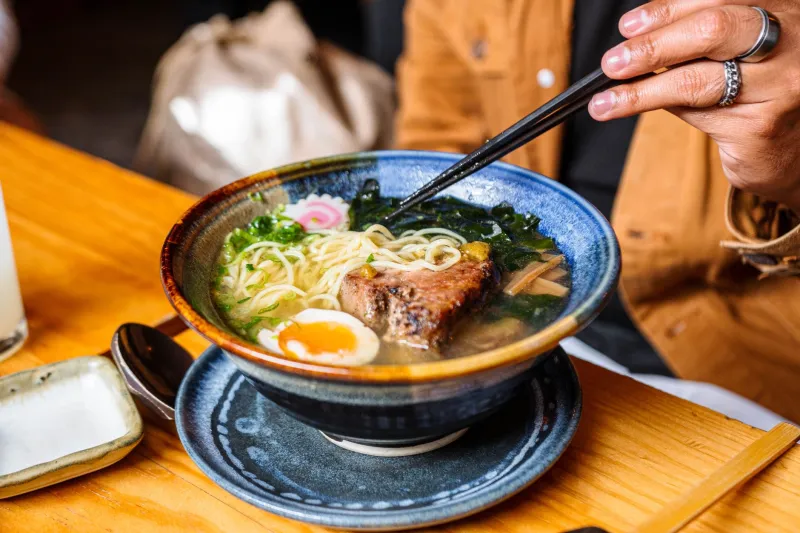
Let's be honest — most of us approach a bowl of ramen the same way every time. It arrives, it smells incredible, and within thirty seconds we're already halfway through the noodles with zero regrets. That's a perfectly valid way to live. But if you've ever sat across from someone who could actually articulate why a bowl was good — beyond just "the broth is rich" or "the noodles are chewy" — you know there's another level to this thing.
In Japan, ramen criticism is a legitimate craft. Food writers, chefs, and dedicated enthusiasts spend years developing a tasting vocabulary that goes way beyond surface impressions. The good news? You don't need to move to Tokyo or earn a culinary degree to start doing the same. You just need to slow down, pay attention, and know what to look for.
Here's your field guide.
Start Before the First Sip: The Aroma Assessment
Professional tasters don't dive straight in. The first move is always the nose. When your bowl lands on the table, resist the urge to immediately reach for your chopsticks. Lean in and take a slow, deliberate inhale.
What you're sniffing for is called the top note — the first aromatic impression before any tasting happens. A tonkotsu broth should hit you with something porky and slightly funky, almost savory-sweet. A shoyu broth will lead with soy and often a whisper of char or caramel from the tare. Shio, the lightest style, might offer something more delicate: clean sea air, subtle chicken fat, maybe a hint of dashi.
If the aroma is flat or muted, that's actually useful information. A well-developed broth should announce itself. Complexity in the nose usually signals complexity in the bowl.
Tasting the Broth: Depth, Salt, and Fat
Now you sip — but just the broth, on its own, before the noodles get involved. Use a ceramic renge spoon if one's provided. Take a small amount and let it sit on your tongue for a second before swallowing.
You're evaluating three things here:
Depth is the layered quality of the broth — how many distinct flavors you can identify as it moves across your palate. A shallow broth tastes like one thing. A deep broth unfolds over several seconds, shifting from front to back of the mouth. This is what Japanese tasters call umami no kasanari, or the layering of savory notes.
Salt balance is about where the seasoning sits. Does it hit immediately and fade? Does it build slowly and linger? Ramen that's over-salted will feel sharp and almost stinging at the front of your tongue. Well-balanced seasoning should integrate smoothly — present but not aggressive.
Fat is the mouthfeel question. How much oil is riding on the surface, and does it coat your mouth pleasantly or leave it feeling heavy? A good ramen fat — whether it's chicken schmaltz, pork lard, or aromatic mayu — adds richness without making the broth feel greasy or one-dimensional.
Reading the Noodles: Texture, Spring, and Flour Character
Noodle evaluation is where a lot of casual eaters check out, because it requires a bit more active attention. Don't just chew — notice.
The first quality to assess is koshi, the Japanese term for that springy resistance you feel when you bite through a properly made noodle. It's not the same as being undercooked. Koshi is a lively, almost elastic pushback that signals fresh, well-hydrated dough with the right protein structure. A noodle without it will feel limp or pasty.
Next, think about the surface texture. Does the noodle feel smooth and slick, or does it have a slightly rough, porous quality that grabs the broth? Wavy noodles with more surface area tend to carry more soup in each bite. Straight, thin noodles (common in Hakata-style tonkotsu) are designed to move fast — they're meant to be eaten quickly before they soften too much.
Finally, pay attention to the flour flavor itself. High-quality fresh noodles have a subtle wheaty, slightly nutty character that cheap dried noodles just can't replicate. It's faint, but once you know to look for it, you'll notice its absence immediately.
Toppings Aren't Decoration: Evaluate Them Separately
Here's something a lot of people miss: the toppings in a serious ramen bowl aren't just garnish. They're calibrated components, and tasting them individually tells you a lot about the kitchen's philosophy.
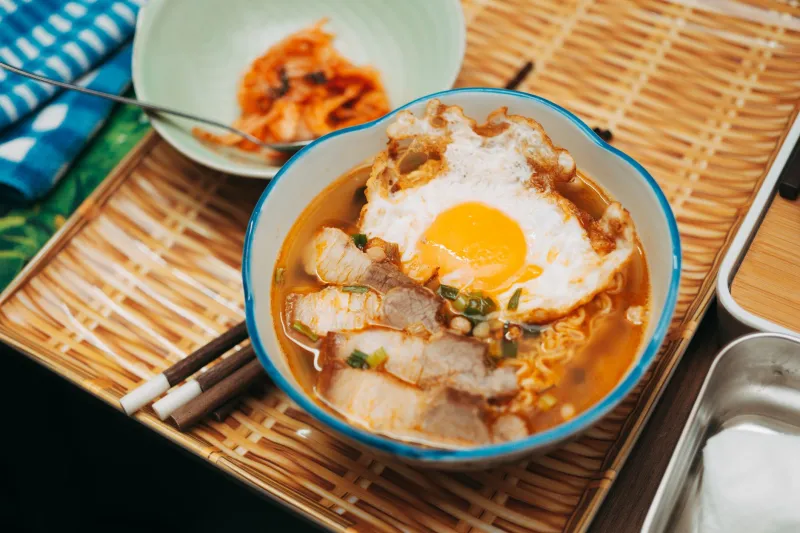
Take a piece of chashu on its own before it's been sitting in broth. Is the fat rendered properly — silky and yielding rather than waxy or tough? Does the pork itself have a clean, sweet-savory glaze, or is it just salty? A well-made chashu should be able to stand alone as a dish.
The same goes for the soft-boiled egg (ajitsuke tamago). Crack it and look at the yolk — it should be jammy and deeply orange, not chalky or fully set. The marinade should have penetrated the white enough to give it color and flavor, but not so aggressively that it tastes like pure soy.
Nori, bamboo shoots, green onions, fish cake — each one should contribute something specific. When a topping tastes like nothing or feels texturally out of place, that's a legitimate critique worth noting.
The Finish: What Lingers After the Last Sip
Just like wine or coffee, great ramen has an aftertaste worth paying attention to. After you've finished the bowl, sit with the residual flavors for a moment. Does the umami keep building, or does it drop off quickly? Is there a pleasant fatty richness that coats the back of your throat, or does the salt spike come through now that the other flavors have faded?
A long, balanced finish — where the savory depth holds without the saltiness becoming dominant — is one of the clearest signs of a thoughtfully built broth.
Your Ramen Tasting Checklist
Next time you're at a ramen shop, run through these questions:
- Aroma: What's the dominant top note? Is the smell complex or one-dimensional?
- Broth depth: Can you identify more than one flavor layer? Does it evolve as you taste?
- Salt balance: Does the seasoning integrate smoothly, or does it feel sharp and front-loaded?
- Fat quality: Does the oil add richness, or does it feel heavy and greasy?
- Noodle koshi: Is there spring and resistance, or do they feel flat?
- Noodle-broth relationship: Do the noodles carry the soup well, or do they feel disconnected?
- Chashu: Can the pork stand on its own as a quality piece of meat?
- Egg: Is the yolk jammy? Is the marinade balanced?
- Finish: How long does the flavor last, and what's the last note you taste?
Print it out, screenshot it, write it on a napkin — whatever works. The point isn't to turn every ramen meal into a homework assignment. It's to build the kind of attention that makes every bowl more interesting, more memorable, and honestly, a lot more fun to talk about.
Once you start tasting this way, cheap ramen still tastes like cheap ramen. But the great stuff? It hits completely differently when you can actually explain why.