Japan's Ramen Map Goes Way Deeper Than Tonkotsu — Here's Where to Start
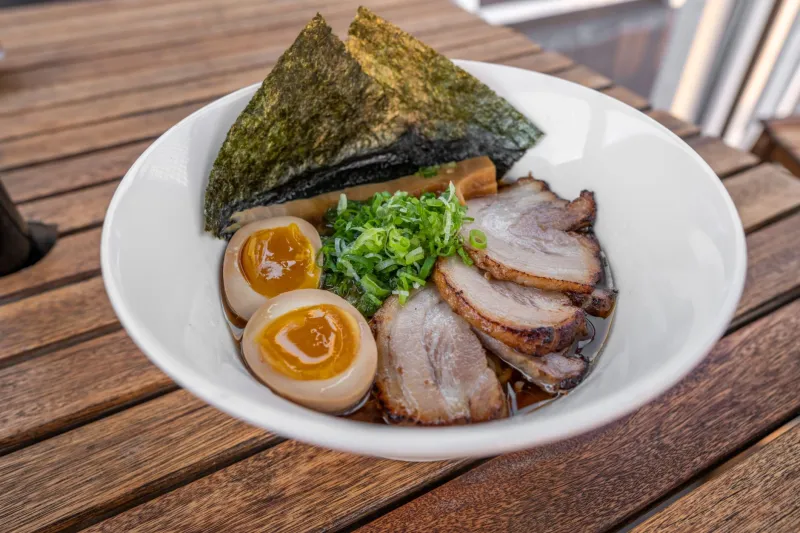
Tonkotsu gets a lot of love in the US. That's earned — a properly made pork bone broth is one of the more extraordinary things you can put in a bowl. But if tonkotsu is the only style of Japanese ramen you know, you're working with a pretty small piece of a very large map.
Japan's ramen culture is intensely regional. Towns and prefectures take genuine pride in their local styles, and the differences between them aren't just subtle variations on a theme. They're distinct flavor philosophies, shaped by local ingredients, climate, and culinary history. A bowl from Sapporo and a bowl from Wakayama can taste like they come from entirely different cuisines.
For American home cooks, this is genuinely exciting news. It means there's a lot more to explore — and a lot more to cook. Here's a tour of five regional styles that deserve more attention, along with practical guidance on how to approach them in a US kitchen.
Shio Ramen — Hokkaido's Quiet Masterpiece
Shio means salt, and this style is about as far from the heavy, opaque broths most people associate with ramen as you can get. A good shio ramen is almost translucent — pale gold or light amber — with a clean, delicate flavor that lets every component speak individually.
The broth is typically built from chicken or seafood (or both), seasoned with a carefully made salt tare that often incorporates kombu, dried scallops, or other umami-forward ingredients. The result is something surprisingly complex for how light it looks.
Making it at home: Start with a high-quality chicken stock — ideally one you've made yourself from a whole bird simmered low and slow for several hours. For the tare, dissolve sea salt into a small amount of warm dashi (kombu and bonito), then add a splash of sake. Taste as you go. The goal is brightness, not heaviness. Thin, straight noodles work best here. Look for Sun Noodle brand at Asian grocery stores, or order online — they're widely available in major US cities.
Hokkaido Miso Ramen — Built for Cold Weather
While Hokkaido also claims shio, its miso ramen is arguably the region's most distinctive export. This is a cold-weather bowl — thick, warming, and deeply savory. The broth is typically a blend of chicken or pork stock with a red or blended miso tare, finished with lard or butter for extra richness. Corn and butter are classic toppings, which might sound unusual but absolutely works.
The noodles here are wavy and medium-thick, designed to hold up to the heavy broth. Bean sprouts, ground pork, and a knob of butter melting slowly on top are traditional.
Making it at home: The miso tare is the heart of this dish. Combine red miso (find it at any Asian supermarket or Whole Foods) with a little white miso for balance, garlic, ginger, and sesame paste. Cook it briefly in a dry pan to develop depth, then thin it with sake and mirin. Stir it into your hot broth to taste. Finish each bowl with a small pat of unsalted butter and a handful of canned sweet corn — don't skip it, it's traditional and it's delicious.
Kumamoto Ramen — Tonkotsu's Smokier, More Complex Cousin
Kumamoto-style ramen is often described as a bridge between tonkotsu and miso styles. The base is still pork bone broth, but it's typically lighter in color than Hakata-style tonkotsu and gets a dramatic flavor boost from mayu — a black garlic oil made by charring garlic until it's nearly burnt, then blending it with sesame oil.
The result is a bowl that's rich and porky but with a haunting smokiness that makes it genuinely different from anything else on this list. Crispy fried garlic chips often appear as a garnish, adding texture and reinforcing that deep, roasted note.
Making it at home: Making proper tonkotsu broth requires a commitment — several hours of hard boiling to break down the collagen and create that milky consistency. If you want a shortcut, a good-quality store-bought pork broth enriched with a little extra collagen (chicken feet work well) can get you partway there. For the mayu, slice a full head of garlic in half crosswise, char it cut-side down in a dry cast iron skillet until deeply blackened, then blend with neutral oil and a drizzle of sesame oil. A little goes a long way — start with half a teaspoon per bowl.
Nagoya's Miso Nikomi Udon — A Ramen-Adjacent Rabbit Hole
Strictly speaking, miso nikomi udon isn't ramen — it uses thick udon noodles rather than wheat noodles made with kansui (the alkaline water that defines ramen's texture and color). But it belongs in this conversation because it represents something important: the way Japanese noodle culture extends far beyond what we typically label as "ramen" in the US.
Nagoya's version is intensely savory, built on Hatcho miso — a deeply fermented, nearly black paste that's significantly more intense than the red or white miso most American cooks are familiar with. The noodles are cooked directly in the broth, absorbing it as they go. It's thick, earthy, and completely unlike anything else.
Making it at home: Hatcho miso can be harder to find than standard miso, but Japanese grocery stores like Mitsuwa (with locations in several major US cities) often carry it. Online retailers are a reliable backup. Use it sparingly at first — it's much more assertive than other miso varieties. Combine it with dashi, a little sake, and mirin, then simmer your udon noodles directly in the broth until they're soft and have soaked up the flavor. Top with chicken, a soft-boiled egg, and a handful of mitsuba (Japanese parsley) if you can find it.
Wakayama Ramen — The Underrated Southern Style
Wakayama Prefecture sits on the Pacific coast south of Osaka, and its ramen is one of Japan's best-kept secrets. The style blends soy sauce and pork bone broth in a way that's darker and more assertive than standard shoyu but without the full opacity of tonkotsu. It's often served with a side of pressed sushi (hayazushi), which is a very Wakayama move.
The broth has a slightly sweet undertone from the soy and a rich, almost meaty depth. Thin, straight noodles are standard.
Making it at home: Build a simple pork-based broth (pork neck bones work well and are inexpensive at most grocery stores), then season it with a shoyu tare made from soy sauce, mirin, and sake simmered together and cooled. The ratio of soy tare to broth is higher here than in a standard shoyu ramen — you want that deeper, more assertive color and flavor. Char siu pork and menma (bamboo shoots) are traditional toppings; both are available at most Asian grocery stores.
A Few General Notes for the American Home Cook
A couple of things worth keeping in mind as you start exploring these styles:
Water matters more than you think. Japanese water is notoriously soft, and it affects how broths develop and how noodles cook. If you're in a hard-water city, consider using filtered water for your broth.
Tare is your secret weapon. Every regional style relies on a seasoning concentrate — the tare — to define its character. Making your tare separately from your broth gives you flexibility and control. It's the approach the pros use, and it works just as well at home.
Don't rush the broth. This is true across all styles. Time is an ingredient.
The beauty of Japan's regional ramen culture is that there's always something new to discover — and now, more than ever, American home cooks have the tools and the ingredient access to explore it seriously. Start with one style. Learn it well. Then move on to the next.
The map is bigger than you think.