Small Town, Serious Broth: Why Authentic Ramen Is Landing Far From the Big City
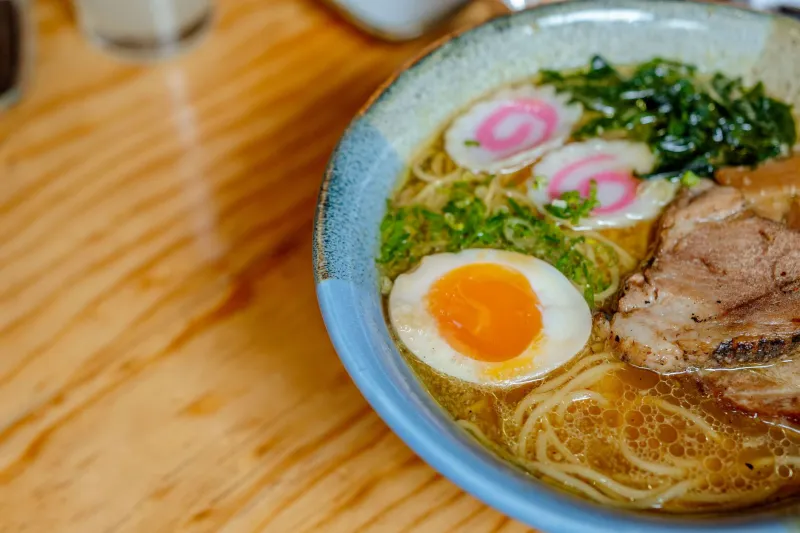
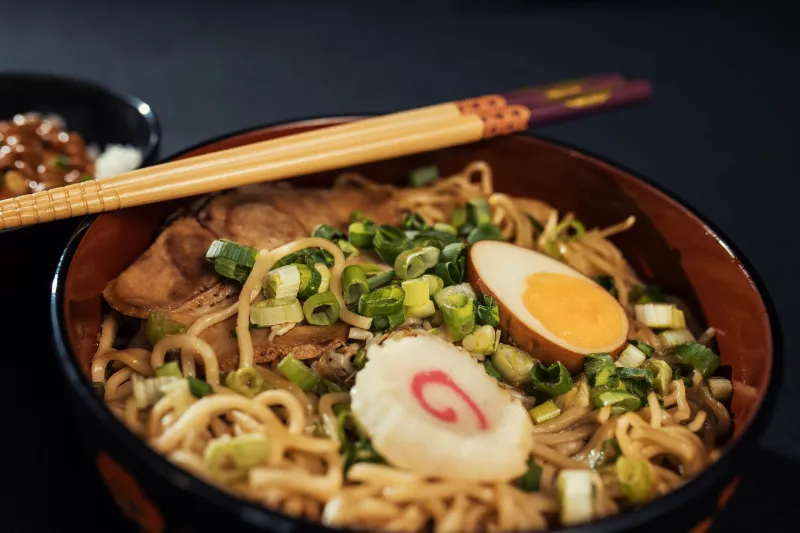
There's a ramen shop in Bozeman, Montana that runs out of broth by 7 p.m. most nights. The line starts forming around 5:30. This isn't a pop-up or a novelty — it's a full-service, bone-broth-from-scratch operation run by a chef who trained in Fukuoka and chose a city of 55,000 people over the obvious options. He's not alone.
Across the country, something quietly remarkable is happening. Serious ramen — the kind built on 18-hour tonkotsu, house-milled noodles, and tare recipes that took years to develop — is showing up in places the food media rarely covers. College towns in the Midwest. Suburbs outside Columbus. Small cities tucked into the Pacific Northwest that don't show up on any "best food cities" list. And the people opening these restaurants aren't doing it by accident.
The Big-City Calculus Doesn't Add Up Anymore
For a long time, the logic was simple: if you wanted to open a serious Japanese restaurant in America, you went where the Japanese food culture already existed. New York. Los Angeles. San Francisco. The customer base was there, the supply chains were manageable, and the food press would actually notice you.
But the math has shifted. Rent in those cities has become genuinely brutal for a restaurant built around a product that takes two days to make. Labor is expensive. Competition is fierce. And in a crowded urban ramen market, a new shop has to fight hard just to get noticed.
Meanwhile, in a mid-sized city in Ohio or a college town in Idaho, the overhead is a fraction of the cost — and there might not be a single serious ramen shop within 60 miles. That's not a red flag anymore. For a growing number of chefs, it looks a lot like opportunity.
"People Here Were Ready — They Just Didn't Know It Yet"
Kenji Watanabe moved from Osaka to Missoula, Montana, in 2019. He'd spent years working in ramen kitchens in Japan and did a brief stint in Seattle before deciding the Pacific Northwest's bigger cities felt too saturated. Missoula had a university, an outdoorsy population that traveled, and almost no authentic Japanese food scene to speak of.
"I was nervous," he admits. "But I thought — people here eat well. They care about where their food comes from. They go to the farmers market. Why wouldn't they respond to something made with real intention?"
His shop, which opened with a menu of just three broths, was packed within its first month. The local paper covered it. Then a food blogger from outside Montana stumbled in during a road trip and posted about it, and the story started spreading.
Watanabe's experience echoes what other chefs in similar situations describe: communities outside major metros are often hungry — literally and figuratively — for this kind of food. They've been eating fast-casual and chain restaurants for years. When something genuinely crafted shows up, the response can be overwhelming.
The Role of the Traveling American Palate
It's worth pausing on why this is even possible right now. A decade ago, the average diner in a small American city might not have had any frame of reference for a $16 bowl of ramen. Today, that same diner has probably watched ramen content on YouTube, eaten at a ramen spot during a trip to Chicago or Portland, and followed at least one food account that posts about Japanese cooking. The cultural groundwork has been laid, even in places where the food itself hasn't arrived yet.
That shift matters enormously for chefs taking a risk on unconventional markets. They're not introducing ramen from scratch — they're giving people access to something they already want but couldn't easily get.
"My customers know what shoyu is," says one chef who opened a shop in a small city in western Pennsylvania. "They know the difference between wavy noodles and straight ones. I don't have to explain the concept. I just have to execute it well."
Community Buy-In Goes Both Ways
What's striking about many of these small-town ramen stories is how deeply the restaurants become embedded in their communities — sometimes more so than they might in a larger, more anonymous city.
In a place where dining options are limited, a genuinely excellent restaurant becomes a communal anchor. Regulars show up weekly. Local farmers start supplying ingredients. The chef becomes a familiar face at the Saturday market. There's a feedback loop that's harder to build when you're one of 40 ramen shops in a city.
For immigrant chefs in particular, this community integration can carry real personal meaning. Several chefs interviewed for this piece described feeling genuinely welcomed in ways that surprised them — neighbors stopping by during soft opens, local businesses promoting them on social media without being asked, customers writing letters to city newspapers about how glad they were the restaurant existed.
"I thought I was taking a risk on this town," said one chef in a small Oregon city. "But honestly, the town took a risk on me too. We kind of built this thing together."
Supply Chain Creativity
Opening a serious ramen shop outside a major metro isn't without its complications. Access to Japanese pantry staples — quality miso, specific soy varieties, fresh-milled flour for noodles — can be genuinely challenging in smaller markets. Some chefs have solved this by building relationships with specialty importers who ship directly. Others have become creative with local sourcing, working with regional farms to develop the kind of high-quality pork bones and chicken backs that urban chefs take for granted.
A few have turned the constraint into a selling point, developing broth profiles that incorporate local ingredients in ways that give their ramen a distinct regional character. It's not fusion for the sake of it — it's adaptation driven by necessity, and in some cases, it's producing bowls that feel genuinely original.
What This Tells Us About American Food Culture
The spread of authentic ramen into America's smaller cities and towns isn't just a restaurant industry story. It's a signal about how food culture travels in this country now — less top-down from coastal tastemakers, more distributed and driven by individual curiosity, online community, and the simple fact that people everywhere want to eat something real.
The old assumption was that culinary craftsmanship required a certain kind of city. That serious food needed a serious food scene to survive. What's happening in Bozeman and Missoula and suburban Ohio suggests that assumption was always a bit lazy.
Good ramen, it turns out, doesn't need a particular zip code. It needs a chef who cares, a community willing to show up, and enough time to let the broth do its thing. Those ingredients exist everywhere.