Lost in Translation: Your No-Stress Cheat Sheet for Decoding a Japanese Ramen Menu
You've finally made it. Maybe it's a highly-rated Japanese ramen spot in your city, or maybe you took the plunge and flew to Tokyo. Either way, you're sitting down, menu in hand, and suddenly every option looks equally mysterious. Shoyu? Shio? What exactly is a ajitama and why does it cost extra?
Don't sweat it. Ramen menus can feel dense, but once you understand the basic framework — broth base, noodle type, toppings, and regional style — the whole thing clicks into place pretty fast. Let's walk through it.
Start With the Broth Base: The Four Big Players
If there's one thing worth memorizing before you walk into any ramen shop, it's the four main broth classifications. These are the building blocks everything else is built around.
Shoyu is probably the most common style you'll encounter, especially in Tokyo-style shops. The name literally means soy sauce, and that's exactly what defines it — a clear to amber-colored broth seasoned with soy-based tare. It's savory, a little tangy, and usually built on a chicken or dashi base. Think clean, bright flavors.
Shio translates to salt, and it's the lightest of the bunch. The broth is typically pale, almost golden, and the flavor lets the underlying stock — often chicken or seafood — do most of the talking. If you want something that feels delicate and refined, shio is your move.
Miso is exactly what it sounds like: broth seasoned with fermented soybean paste. It's rich, earthy, and a bit funky in the best way. Sapporo, up in Hokkaido, is the spiritual home of miso ramen, and you'll often see corn and butter as toppings in that regional style. This one tends to be the most filling of the four.
Tonkotsu is the outlier here — it's not technically a seasoning like the others. It refers to a broth made from pork bones, simmered for hours until it turns milky white and intensely rich. It originated in Fukuoka (specifically Hakata) and has its own cult following in the US. Tonkotsu is often also seasoned with shoyu or shio, so you might see combinations like "tonkotsu shoyu" on a menu.
What the Noodle Section Is Actually Telling You
Noodles aren't just a vehicle for broth — they're a deliberate choice, and different shops take them very seriously. Here's what those descriptions actually mean.
Thin and straight noodles are classic in Hakata-style tonkotsu shops. They cook fast, absorb broth quickly, and are often ordered in extra portions called kaedama — you literally ask for a refill of noodles dropped into your remaining broth. It's a whole thing.
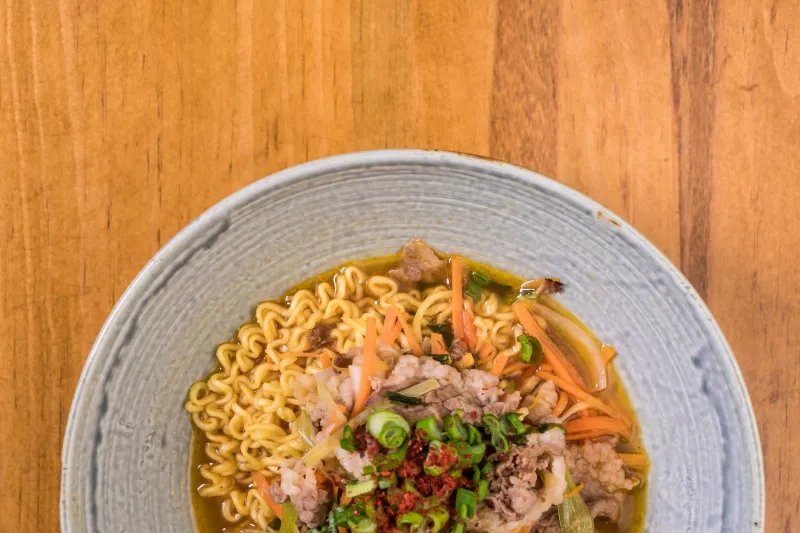
Wavy or curly noodles are great at holding onto thicker broths. You'll see these a lot with miso ramen, because the ridges and curves catch that heavier, paste-based liquid. Sapporo shops often use thick, wavy noodles for exactly this reason.
Flat noodles show up occasionally, especially in some regional styles. They have a different chew than round noodles and pair well with soy-forward broths.
Some menus will also let you customize noodle firmness. Kata means firm, futsuu is the standard, and yawarakame is soft. If you're eating tonkotsu in a Hakata-style shop, ordering kata is pretty much the local way to do it.
Toppings: More Than Just Decoration
This is where a lot of menus get dense, especially if there's a toppings customization section. Here are the terms you'll run into most.
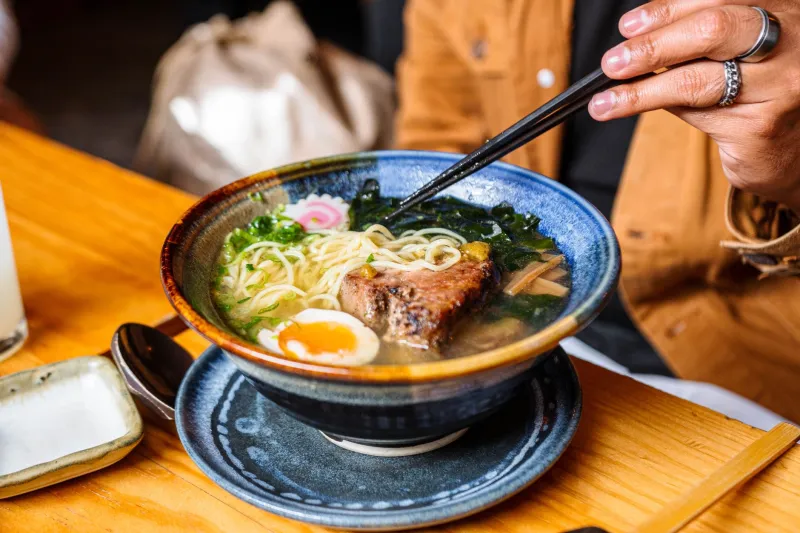
Chashu — This is the braised pork belly (or sometimes shoulder) that you'll find in almost every bowl. It should be tender, a little fatty, and slightly caramelized on the outside. Quality varies wildly between shops, and a great chashu is a serious point of pride.
Ajitama or ajitsuke tamago — A soft-boiled egg marinated in a soy-based mixture. The whites are lightly seasoned and the yolk should be jammy in the center. Worth the upcharge. Always.
Nori — Dried seaweed sheets. Mostly textural and visual, but they add a subtle ocean flavor when they start to absorb broth.
Menma — Fermented bamboo shoots. Crunchy, slightly funky, and a classic ramen topping that often gets overlooked. If you've been skipping these, give them a fair shot.
Moyashi — Bean sprouts. Common in miso ramen and adds a fresh crunch to balance heavier broths.
Negi — Green onions, usually thinly sliced. You'll see this on almost everything.
Mayu — Black garlic oil. A Kumamoto specialty that gets drizzled on top of tonkotsu ramen. It looks dramatic (very dark, almost black) and tastes deeply savory and smoky.
Butter and corn — If you see these listed as toppings, you're probably looking at a Sapporo-style miso bowl. It sounds unusual but the richness of butter melting into miso broth is genuinely excellent.
Regional Labels: Why Location Names Matter
A lot of ramen shops name their bowls after the region they draw from. Knowing a few key cities helps you set expectations before the bowl hits the table.
- Sapporo → Miso-forward, hearty, thick noodles, often with butter and corn
- Hakata (Fukuoka) → Rich tonkotsu, thin straight noodles, kaedama culture
- Tokyo → Shoyu-based, medium noodles, relatively refined and clean
- Kitakata → Known for flat, slightly wavy noodles and lighter shoyu broth; often pork-based
- Kumamoto → Tonkotsu with mayu (black garlic oil) and sometimes fried garlic chips
If a shop says they're serving "Hakata-style," that tells you a lot about what's in the bowl before you've even read the description.
The Customization Section: Don't Ignore It
Authentic Japanese ramen shops — especially tonkotsu spots — often have a customization card or section where you can adjust richness (kosa), seasoning intensity, amount of fat (abura), and noodle firmness. American diners sometimes skip this because it feels overwhelming, but it's actually one of the best parts.
A quick cheat: if you want a classic, balanced bowl, just go with futsuu (standard) across the board for your first visit. Once you know what the baseline tastes like, you can start dialing things up or down.
One Last Thing Before You Order
Ramen menus reward curiosity. The shops that care most about their craft are usually the ones with the most specific language — because specificity means intention. When a menu tells you the broth simmers for 18 hours, or that the tare is aged for a week, or that the noodles are made fresh daily, that's not marketing fluff. That's the kitchen telling you what they believe in.
So next time you sit down with a menu that looks like a puzzle, treat it like one worth solving. Ask your server questions. Try the regional style the shop is actually known for. Order the egg. And if you're still not sure what to get, just look at what the table next to you ordered — and point at that.