Recipe Detectives: The American Chefs Hunting Down Japan's Most Guarded Ramen Secrets
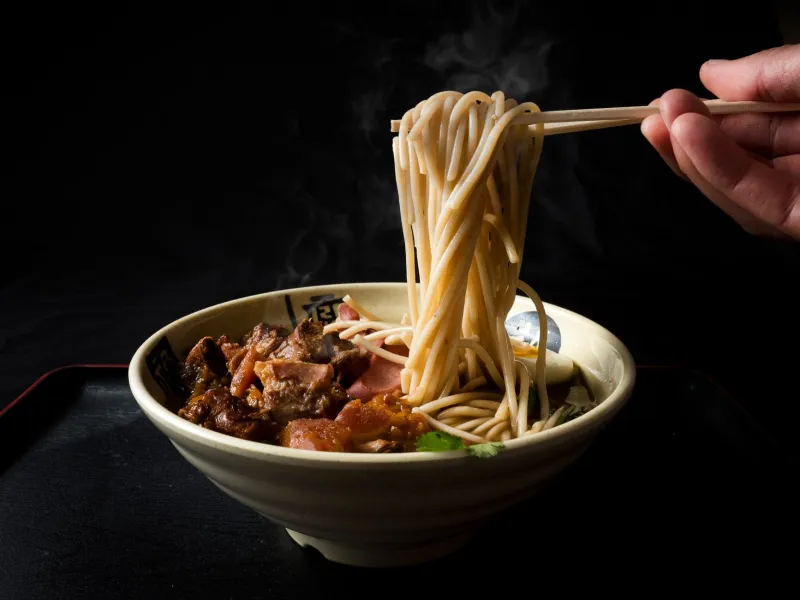
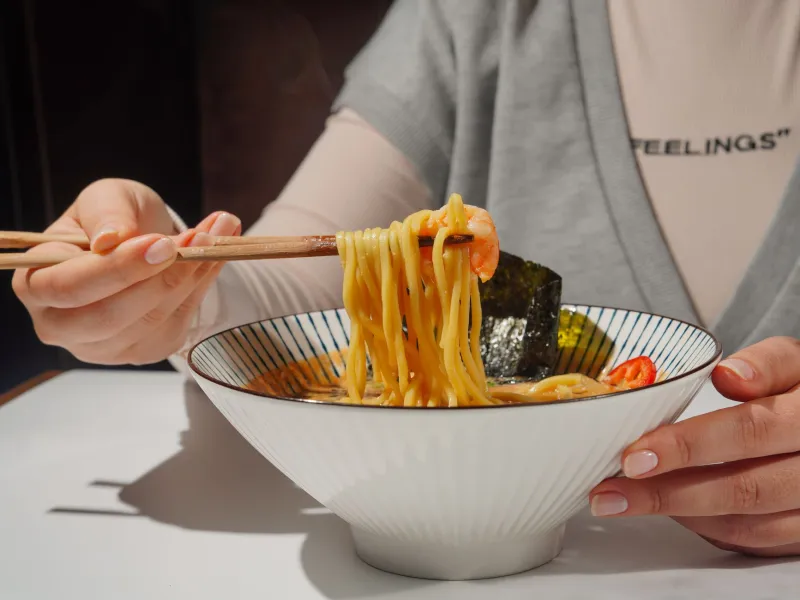
There's a bowl of ramen that Marcus Tillman, chef and co-owner of a small shop in Columbus, Ohio, has been chasing for three years. He tasted it once — in a photograph. Not even the real thing. A friend sent him a grainy image of a regional shio ramen from a tiny family restaurant in Yamagata Prefecture, the kind of place with eight seats and a laminated menu that hasn't changed since the 1980s. Something about the color of the broth, the way the noodles curled, the placement of a single slice of chashu — it got under his skin.
"I've never been to that restaurant," Tillman admits. "I might never get there. But I'm going to figure out what's in that bowl if it takes me another five years."
This is the strange, obsessive, oddly beautiful world of American ramen chefs who are reverse-engineering Japanese recipes they've never tasted firsthand — and doing it with a level of seriousness that would impress a forensic scientist.
The Gap Between Inspiration and Access
Here's the thing about Japanese ramen culture that doesn't always make it into the glossy food magazine profiles: a huge chunk of the most legendary bowls in Japan exist in places most Americans will never visit. Not Tokyo. Not Osaka. We're talking about a 12-seat shop in Asahikawa that's been run by the same family for four generations, or a late-night stand in Fukuoka where the master still won't tell his own son the full recipe.
For American chefs who fell hard for ramen — many of them through travel, some through cookbooks, others through YouTube spirals at 2 a.m. — this inaccessibility creates a particular kind of creative frustration. The inspiration is real, but the source material is locked behind geography, language barriers, and a Japanese culinary culture that doesn't always prioritize sharing proprietary knowledge with outsiders.
So they improvise. They investigate. They become, in their own words, recipe detectives.
How the Hunt Actually Works
The research process varies from chef to chef, but there are a few common threads.
For Elena Park, who runs a ramen counter in Portland, Oregon, it starts with documentation. She's built an archive of Japanese food journalism — print magazines, regional newspaper food sections, old TV segments — that she combs through with the help of a Japanese-speaking friend. "Regional ramen gets covered obsessively in local Japanese media," she explains. "A shop in Toyama might not have an Instagram account, but there's probably a three-page spread about them in some prefectural food magazine from 2009. That stuff is gold."
From those articles, Park pieces together clues: the base of the broth, whether the tare is shoyu or shio, the style of noodle, any unusual ingredients the chef is known for sourcing locally. It's not a recipe — it's more like a sketch. Then the real work begins.
Tillman, back in Columbus, leans heavily on what he calls "the diaspora network" — Japanese expats and first-generation Japanese Americans who grew up eating the regional food he's trying to recreate. "I've had people describe flavors to me for two hours," he says. "Not ingredients, just flavors. The way their grandmother's broth tasted on a cold morning. That's information. You learn to translate it."
The Role of Japanese Mentors
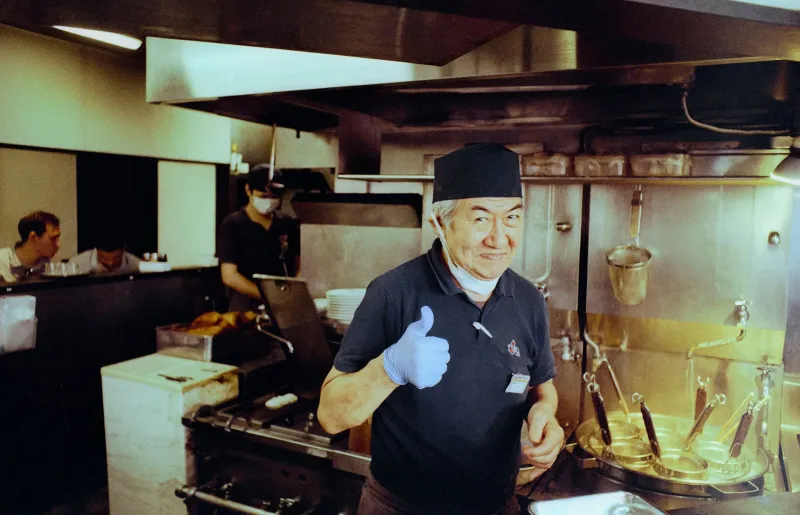
Several American chefs working in this space have been lucky enough to build relationships with Japanese culinary mentors — either through formal apprenticeships, industry connections, or the kind of slow-burn friendships that develop when you keep showing up to the same ramen events with increasingly good questions.
Dana Whitfield, who spent two years working in Japan before opening her shop in Nashville, describes her mentor — a retired ramen chef from Sapporo — as a collaborator rather than a teacher. "He's not handing me recipes," she says. "But he'll taste something I made and tell me 'the fat isn't right' or 'the noodle is too soft for this style.' That feedback is invaluable. It's like having a compass when you're otherwise just wandering."
These mentorships don't always lead to perfect recreations, and that's partly the point. What they offer is a calibration — a way to check whether the direction you're moving actually makes sense within the tradition you're trying to honor.
Trial, Error, and the Occasional Breakthrough
The testing process is where things get genuinely obsessive. Park estimates she went through over forty broth iterations trying to nail a particular Toyama black ramen she'd become fixated on. The signature of that style is a deeply savory, almost aggressively seasoned soy-based broth — dark, punchy, and layered in a way that takes most people by surprise. Getting the soy blend right alone took months.
"I was ordering different Japanese soy sauces, blending them, aging some of them, adjusting ratios," she says. "At some point my partner asked if I was okay. I was fine. I was just very busy."
Whitfield describes a similar process with noodle development — experimenting with different flour protein levels, hydration percentages, and alkaline water concentrations to match the texture profile of noodles from a specific Hokkaido region. "The noodle is a dialect," she says. "Every region has its own. If you get it wrong, the whole bowl speaks in the wrong accent."
Breakthroughs, when they happen, tend to come from unexpected directions. Tillman got a key unlock on his Yamagata shio project when he connected online with a Japanese food blogger who had actually eaten at the restaurant in question multiple times and was willing to describe the broth in exhaustive detail. "He spent an hour on a video call just talking about the finish of that broth," Tillman says. "The way the sweetness came in late. That changed everything for me."
Authenticity Without Gatekeeping
It's worth asking: what does authenticity even mean when you're recreating a recipe you've never tasted, from a kitchen you've never entered, for customers who probably haven't either?
Most of the chefs working in this space are pretty thoughtful about that question. Nobody's claiming their bowl is identical to the original. The goal isn't perfect replication — it's genuine engagement with a tradition, an attempt to understand and honor the logic of a regional style rather than just gesture at it aesthetically.
"I'm not trying to trick anyone," Park says. "I'm trying to make something that comes from a real place, that has real roots. My version is my version. But it's built on actual research, actual respect for where it came from."
That distinction matters — especially in a US ramen landscape that still has a lot of bowls that are more vibes than substance. The chefs doing this work are pushing the whole scene toward something more considered, more grounded, and honestly, more delicious.
Tillman's Yamagata shio ramen is on his menu now. He'll tell you upfront that he's never tasted the original. He'll also tell you he's getting closer every month. For him, that's the whole point — the chase is part of the craft.