Twenty Years, One Bowl: What Ramen Masters Know That the Rest of Us Are Still Learning
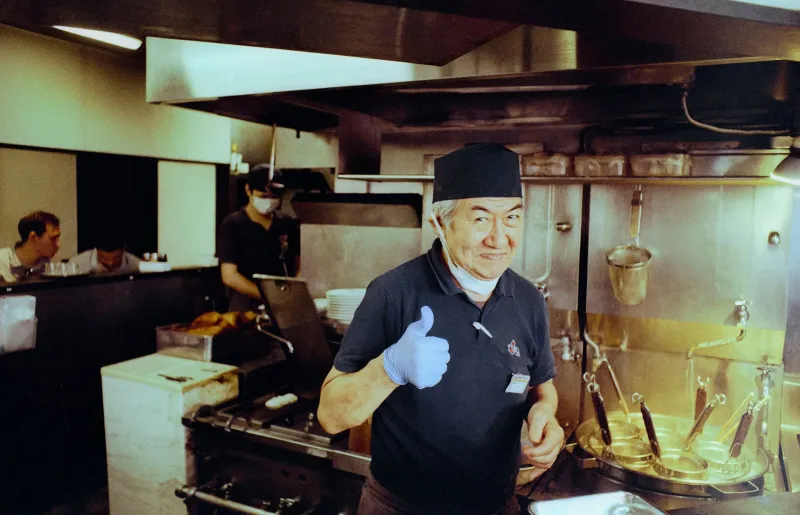
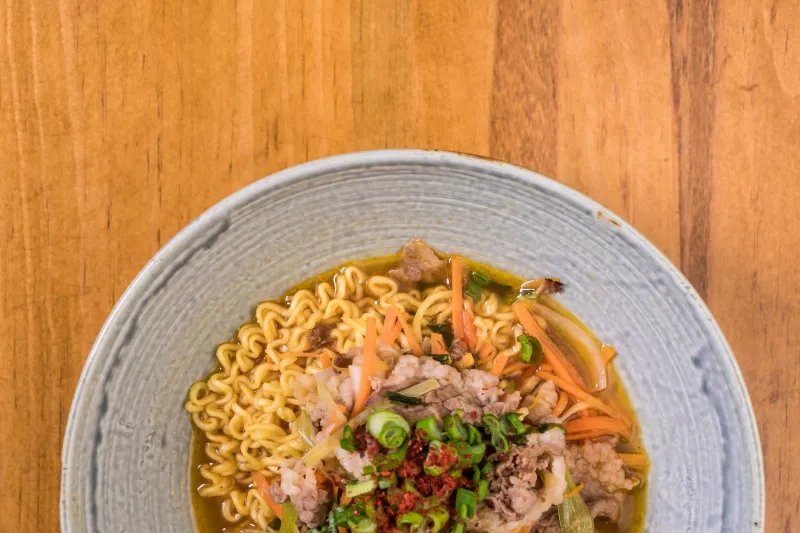
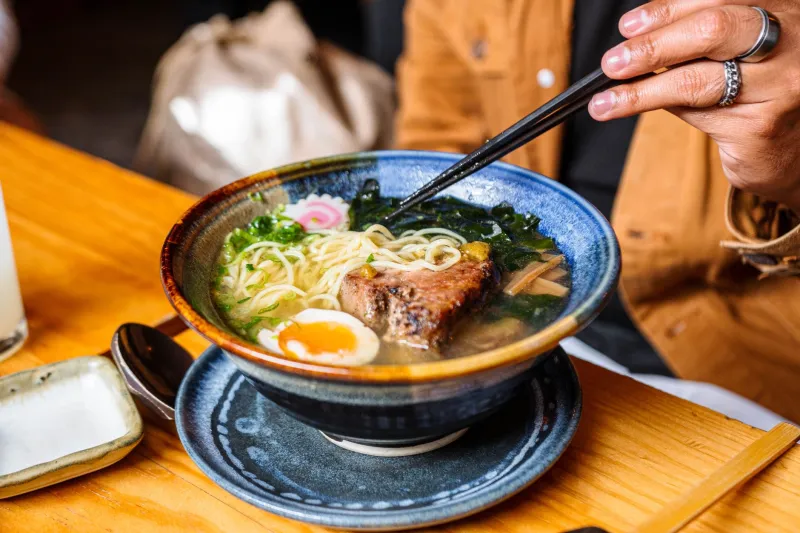
Hiroshi Tanaka has made the same bowl of shoyu ramen roughly 300 days a year for the past 23 years. That's somewhere north of 6,900 iterations of the same dish — same bones, same tare, same noodle spec — and yet he'll tell you, without any trace of irony, that he's still not satisfied with it.
"Maybe next year," he says, laughing from behind the counter of his small shop in the East Village. "Maybe."
This is the ramen mindset. And if it sounds a little extreme to American ears, that's kind of the point.
The Philosophy Behind the Repetition
In Japan, the idea of shokunin — a craftsperson or artisan committed to their discipline above almost everything else — runs deep through food culture. It's the same spirit that drives sushi chefs to spend years doing nothing but washing rice, or soba masters who study under a single teacher for a decade before touching a noodle. Ramen isn't exempt from this tradition, even if it's sometimes dismissed as "just" fast food.
For chefs like Tanaka, or Keiko Mori, who runs a tonkotsu-focused counter in Los Angeles's Sawtelle neighborhood after training for nearly a decade in Fukuoka, the pursuit of the perfect bowl is less about hitting some fixed target and more about cultivating a sensitivity to the process itself.
"When I first started, I thought perfection was a recipe," Mori explains. "Follow the steps exactly and you get the result. But the broth is alive. The pork changes. The weather changes. You have to feel it, not just measure it."
That phrase — feel it, not just measure it — comes up again and again when you talk to chefs who've been doing this for a long time. It points to something that's genuinely hard to teach: the accumulated intuition that only comes from showing up, day after day, and paying close attention.
Small Adjustments, Big Results
One of the most striking things about watching a seasoned ramen chef work is how little drama there is. There's no theatrical tasting, no dramatic seasoning adjustment. The changes are tiny — a few extra minutes on the broth, a slightly different ratio of chicken to pork bones, a new source for the soy used in the tare — and they compound slowly over months and years.
Tanaka keeps a notebook. He's been keeping it since he opened. Every day, he writes down what he changed and what he noticed. Not long entries — sometimes just a sentence or two. But over two decades, that notebook has become something like a map of his own evolving understanding of the bowl.
"I can go back and read from ten years ago and I think, 'Oh, that's why it tasted that way,'" he says. "At the time I didn't know. Now I know."
This kind of slow, cumulative learning is almost the opposite of how most Americans approach cooking — especially in an era of instant recipe access and YouTube tutorials that promise restaurant-quality results in under an hour. The ramen master's path is deliberately inefficient. It asks you to be wrong for a long time before you're right, and to stay curious even when you think you've figured something out.
What 'Perfect' Actually Means
Here's the thing nobody tells you: most serious ramen chefs don't actually believe in a fixed definition of perfect. Ask Mori what a perfect bowl of tonkotsu looks like and she'll give you a thoughtful answer about texture, opacity, fat content, and the way the noodle should feel against your teeth. But press her on whether she's ever made that bowl, and she'll shake her head.
"If I made the perfect bowl, I would stop," she says. "Why would I keep going? The imperfection is the reason."
This is a pretty radical idea for American food culture, which tends to celebrate the breakthrough moment — the recipe that went viral, the dish that got the Michelin nod, the cook who cracked the code. Ramen masters are more interested in the ongoing conversation between themselves and the bowl. Perfection, in this context, is less a standard to meet and more a direction to keep walking toward.
Tanaka puts it differently. "The bowl I made today is better than the one I made yesterday. The one I make tomorrow will be better than today's. That's all I'm trying to do."
What American Home Cooks Can Actually Take From This
Let's be real: most of us aren't going to spend 20 years making the same bowl of ramen. We have jobs, kids, Netflix queues, and a general preference for variety. The shokunin path isn't really a transferable lifestyle choice for the average home cook in Columbus or Charlotte.
But there are genuine lessons here, even if you're scaling them way down.
Pick one thing and go deep. Instead of chasing a different ramen style every weekend, try making the same bowl four or five times in a row. Pay attention to what shifts. Is your broth clearer when you start with cold water? Does your tare taste different if you rest it overnight? You'll learn more from five iterations of the same recipe than from five completely different ones.
Write it down. You don't need a 23-year notebook. Even a quick note in your phone — "used less mirin this time, tasted less sweet, liked it better" — builds a feedback loop that memory alone can't sustain. Tanaka's notebook is just a formalized version of something any attentive cook can do.
Slow down the tasting. Mori talks about learning to taste her broth not just for flavor but for what it tells her about the process. Too thin? Maybe she pulled it too early. Off-color? Check the heat. This kind of diagnostic tasting is a skill, and like any skill, it gets sharper with practice.
Accept the long game. This one's harder, and maybe the most important. The ramen masters we talked to aren't frustrated by the fact that they're still improving after decades of work. They find it motivating. Reframing your own cooking practice — from "why can't I get this right" to "I'm still figuring this out, and that's fine" — can genuinely change how you cook.
The Bowl Is Never Finished
Before we left Tanaka's shop, we asked him what he'd say to someone just starting out with homemade ramen — someone intimidated by the process, unsure where to begin.
He thought about it for a second.
"Start," he said. "The bowl teaches you. But only if you make it."
There's something quietly profound about that. In a food culture that often prizes shortcuts and instant results, the ramen master's answer is just: show up, pay attention, and make the bowl again tomorrow. It's not glamorous advice. But after 23 years and somewhere around 7,000 bowls, Tanaka has probably earned the right to give it.