Tasting With Purpose: Meet the Experts Redefining What Good Ramen Actually Means in America
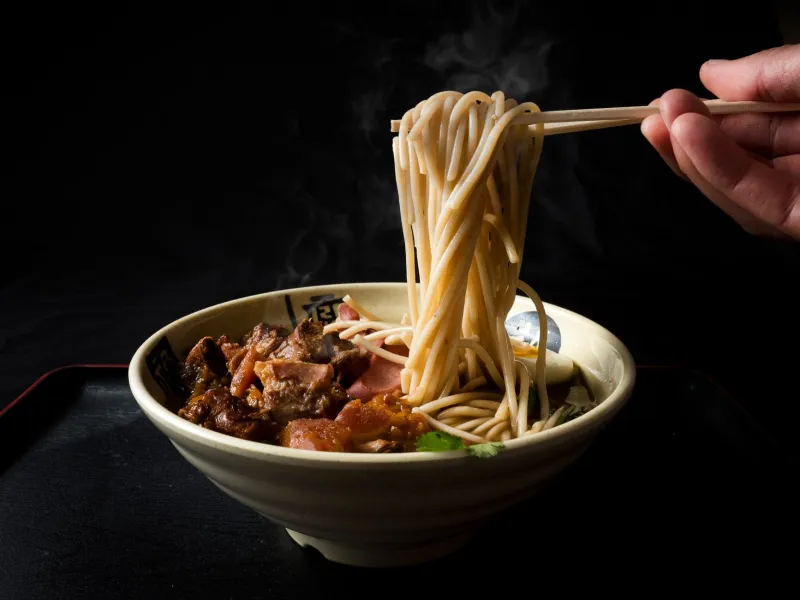
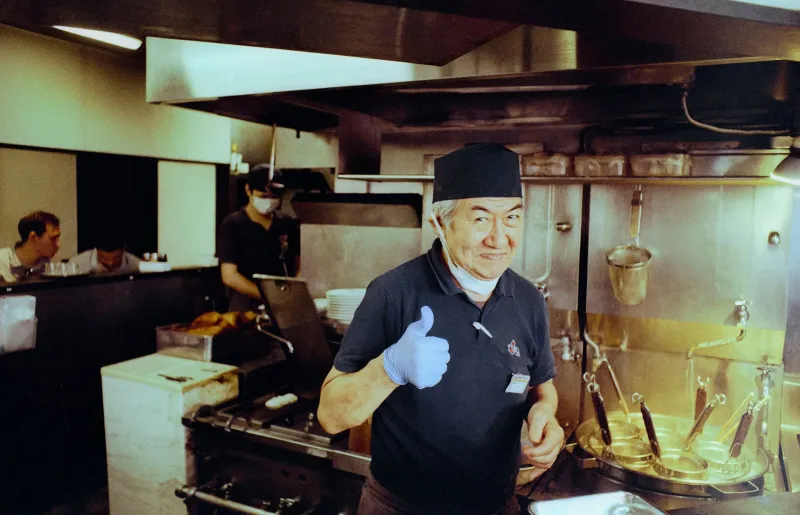
Walk into almost any serious ramen shop in Japan and you'll find a level of quality control that borders on ritual. The chef tastes the broth at precise intervals. The noodle texture is checked against a mental benchmark built over years of repetition. Every component gets evaluated before it ever reaches a bowl. It's disciplined, almost meditative — and for a long time, that kind of structured tasting culture felt like something that only existed over there.
That's starting to change. Across the US, a small but growing group of ramen professionals — call them sommeliers, evaluators, or just obsessives with very refined palates — are building the infrastructure for something that didn't really exist here before: a standardized language and framework for assessing ramen quality. It's part culinary science, part cultural translation, and it's quietly influencing everything from how new shops set their menus to how competition judges score bowls at ramen festivals in cities like Chicago, Los Angeles, and New York.
What Does a Ramen Taster Actually Do?
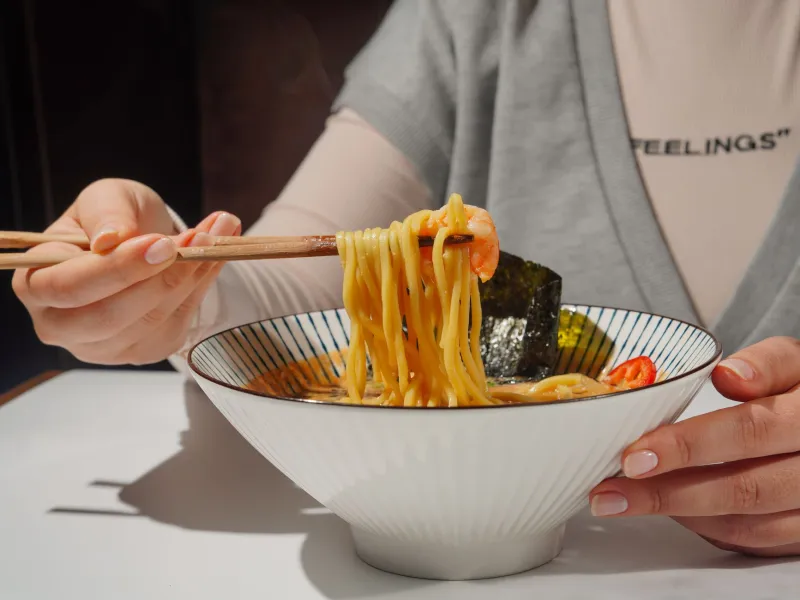
The title "ramen sommelier" sounds a little dramatic, but the role is more grounded than you might think. In Japan, the Ramen Sommelier certification — administered by organizations like the Japan Ramen Association — has existed for years, training participants to evaluate broth clarity, noodle hydration, tare balance, and topping composition with the same systematic rigor a wine sommelier applies to a glass of Burgundy.
In the US, formal certification is still in its early stages, but the framework is being adapted. Some culinary schools on the coasts have begun incorporating ramen evaluation modules into broader Asian cuisine coursework. Independent food educators are running workshops — sometimes in partnership with Japanese culinary institutes — that teach participants how to break a bowl down into its core components and assess each one separately before forming an overall judgment.
The goal isn't to be snobby about noodles. It's to give people — chefs, judges, even curious home cooks — a shared vocabulary. "When everyone at the table means something different by 'rich' or 'balanced,' the feedback is useless," explains one culinary educator based in Seattle who has been developing a ramen evaluation rubric for the past three years. "We're trying to get people to the point where they can say specifically what's happening in the bowl and why it's working or not."
Bridging the Gap Between Japanese Tradition and American Taste
One of the trickier parts of this whole project is that American palates don't always respond to ramen the same way Japanese ones do. That's not a criticism — it's just reality. American diners tend to skew toward bolder, saltier, more immediately impactful flavors. The subtlety of a delicate shio broth, or the restrained umami of a well-made shoyu, can sometimes read as "bland" to someone who hasn't been trained to slow down and look for what's there.
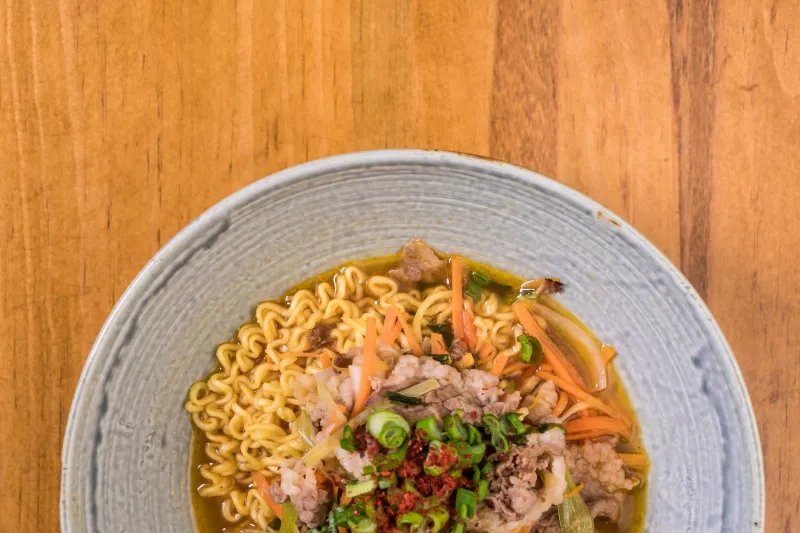
Professional tasters working in the US are navigating this constantly. The best ones aren't trying to impose a single standard of "correct" ramen — they're building evaluation tools flexible enough to account for regional style, local ingredient sourcing, and the legitimate evolution of the dish in an American context. A tonkotsu in Houston is going to be a different beast than one in Fukuoka, and that's okay. The question a good evaluator asks isn't "is this authentic?" but "is this intentional, executed well, and coherent as a bowl?"
This approach is actually pretty consistent with how Japan's own ramen culture works. Regional variation has always been baked into the dish — Sapporo's miso ramen bears almost no resemblance to Tokyo's shoyu style, and both are considered legitimate expressions of the form. American tasters who understand this history tend to be more useful evaluators than those who are chasing some imaginary platonic ideal.
What the Certification Process Looks Like
For those curious about formal training, pathways are still being pieced together in the US. A handful of options are worth knowing about:
Japan-based programs with US access: The Japan Ramen Association's sommelier certification has been pursued by some American chefs and food professionals, typically requiring study of regional ramen history, ingredient knowledge, and structured tasting evaluations. Some of this coursework is now available in English.
Culinary workshop series: Independent educators — often chefs who trained in Japan or food writers with deep backgrounds in Japanese cuisine — run multi-session workshops in major cities. These tend to be more accessible than full certification programs and cover tasting methodology, flavor component analysis, and broth construction.
Competition judging panels: Several US ramen festivals and competitions have begun formalizing their judging criteria, essentially creating on-the-job training for evaluators. Serving as a judge at these events, especially under the guidance of an experienced head judge, is one of the more practical ways to develop a calibrated palate.
Bringing the Framework Home
You don't need a certification to start tasting your ramen more deliberately. Professional evaluators use a pretty consistent structure, and most of it is adaptable for anyone working in a home kitchen.
Start with the broth, alone. Before you add noodles or toppings, taste a spoonful of your broth by itself. What's the first flavor you notice? Where does it land on your tongue? Does the saltiness feel sharp or rounded? Is there an umami depth that lingers, or does the flavor drop off quickly? These questions build a baseline.
Evaluate the noodles separately. Taste a noodle on its own, without broth clinging to it. Is the texture where you want it — springy, with a slight resistance? Does the noodle have its own flavor, or is it neutral? Alkaline noodles should have a faint mineral quality. Thin noodles should feel delicate but not mushy.
Assess the integration. Now eat a proper bite — broth, noodle, a bit of topping. Does everything feel like it belongs together, or are certain elements competing? A well-built bowl has components that amplify each other rather than fighting for attention.
Note the finish. What's the last thing you taste? A good ramen tends to leave a clean, pleasant aftertaste — not a greasy film or an aggressive saltiness that lingers uncomfortably.
Writing your observations down, even briefly, accelerates the learning process dramatically. It forces you to commit to a description rather than letting vague impressions float away.
Why This Matters Beyond the Bowl
The emergence of professional ramen evaluation in the US is really a sign of how seriously the country has started taking this food. A decade ago, ramen was still widely seen as a college dorm staple or, at best, a niche import. Now it's a category serious enough that people are building certification infrastructure around it — because the quality conversation has matured to the point where it needs better tools.
For home cooks especially, this is good news. The frameworks being developed by professional tasters aren't just useful for judging restaurant bowls — they're a roadmap for getting better at making your own. When you can articulate what's missing or off-balance in your broth, you know exactly what to fix next time. That's the whole point.
Ramen has always rewarded the people who pay attention. The tasters and sommeliers working to formalize that attention are just making it a little easier for the rest of us to catch up.