Throw Out the Recipe: How to Cook Ramen by Feel — the Way Tokyo Chefs Actually Do It

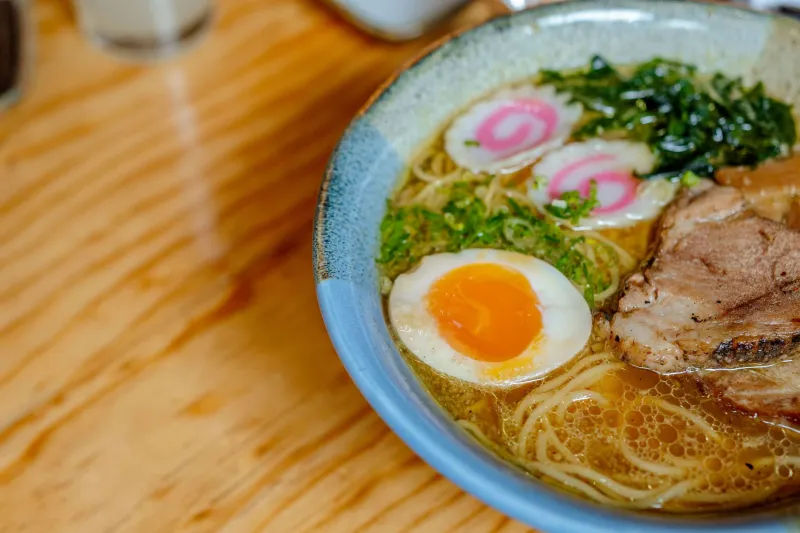
Photo by Photo by Vitaly Gariev on Unsplash on Unsplash
Let's say you've made the same ramen broth four times. You've got the recipe memorized. You know the ratios, the timing, the exact brand of soy sauce. And yet — every single batch tastes slightly different. A little flat one week, a little too salty the next. The noodles behave differently depending on the day. The tare doesn't quite hit the same note.
You're not doing anything wrong. You're just cooking in the real world, where water hardness varies, seasonal ingredients shift in intensity, and your kitchen is never quite the same temperature twice.
The fix isn't a better recipe. It's better instincts.
Why Recipes Can Only Take You So Far
Recipes are snapshots. They capture one cook's experience, on one day, with one set of ingredients and one particular kitchen setup. When you follow that recipe in your home in Denver or Savannah or Minneapolis, you're introducing dozens of variables the original author never accounted for.
Water is a big one. Hard water — common across much of the American Midwest and Southwest — can dull the brightness of a delicate shio broth and make noodle dough behave differently than it would in Tokyo, where water is famously soft. Pork bones sourced from a local farm are going to have a different fat content than those from a large commercial supplier. Even the humidity in your kitchen affects how your noodle dough comes together.
None of this means recipes are useless. They're essential, especially when you're starting out. But there comes a point where rigidly following a formula starts working against you — where you're adjusting to the recipe instead of adjusting the recipe to what's actually in front of you.
What Tokyo Chefs Think About When They Cook
Talk to enough ramen shop owners in Japan and a pattern emerges. They don't describe their process in terms of precise measurements. They describe it in terms of states — what the broth looks like at a given stage, how it smells, how it coats the back of a spoon, how it feels when a small amount is rubbed between the fingers.
One phrase that comes up repeatedly is mi wo yomu — loosely translated as "reading the body" of the dish. It's the idea that the ingredients themselves are communicating information, and the cook's job is to listen. Is this batch of kombu releasing more glutamate than usual? (The broth will taste more intensely savory than expected — pull back on the tare.) Are these noodles absorbing water faster today? (They'll overcook faster too — shave thirty seconds off the boil.)
This isn't mysticism. It's pattern recognition built through repetition. And you can start building it right now, even as a home cook.
Building Your Sensory Baseline
The first step is learning what "right" actually tastes like at each stage of the process — not finished ramen, but intermediate states.
What does your broth taste like before tare is added? Get familiar with that baseline. A good tonkotsu base should have a creamy, almost fatty richness with a subtle sweetness from the collagen. A chicken paitan should feel silky and round. If it tastes thin or watery at the base stage, no amount of tare is going to save it — you need to reduce further or reconsider your bone-to-water ratio.
Same with tare. Taste it on its own. It should be intensely, almost shockingly seasoned — that's the point. If your tare tastes pleasant and mild, it's underdeveloped. When you add a small amount to a bowl of broth and it snaps everything into focus, you've got it right.
Keep notes — not measurements, but descriptions. "Broth tasted a little muddy today — probably the bones weren't blanched long enough." "Tare was too sharp; the mirin needed more time to cook off." Over time, these notes become a map of your own cooking patterns.
Adapting to Seasonal Ingredients
One of the most satisfying parts of cooking without a rigid recipe is learning to work with what's actually good right now. Summer corn can add a natural sweetness to a chicken broth that makes it feel bright and seasonal. Winter mushrooms — dried shiitake especially — punch well above their weight in a vegetarian dashi base. Spring green onions have a sharper bite than fall ones and should be used more sparingly as a garnish.
This is where American home cooks have a genuine advantage: access to an incredible variety of local and regional produce. A ramen shop in Tokyo is working within a fairly consistent ingredient ecosystem. You've got farmers markets, CSA boxes, and regional specialties that no Japanese recipe was ever written around. Use them.
The key is understanding the flavor role each ingredient plays rather than treating it as irreplaceable. Sweetness, acidity, umami, bitterness, fat — if you know what job an ingredient is doing in the bowl, you can find a substitute or adjustment when something's unavailable or off-season.
Practical Adjustments You Can Make Right Now
Here's a short list of real-time adjustments that experienced ramen cooks make regularly — the kind of thing no recipe tells you:
Broth tastes flat? Before reaching for salt, try a small addition of kombu or a splash of sake. Flat often means a lack of glutamates or aromatic complexity, not a salt deficit.
Noodles coming out gummy? Your water might not be boiling hard enough, or you're cooking too many portions at once. The starch needs agitation to stay suspended. Use a bigger pot and keep that boil rolling.
Tare too salty? Thin it with a small amount of dashi rather than water — you'll preserve depth while pulling back the sodium punch.
Broth breaking or looking greasy? You've probably gone above a simmer for too long. Emulsification in tonkotsu is intentional; a greasy sheen on a shoyu broth is not. Skim and reduce heat immediately.
The Confidence Is the Skill
Here's the honest truth: the gap between a home cook who makes decent ramen and one who makes great ramen usually isn't technique. It's confidence. The willingness to taste, assess, and adjust without panic — to treat a less-than-perfect batch as information rather than failure.
Every Tokyo ramen chef you'd want to learn from started somewhere with a pot that tasted wrong. The difference is they kept cooking, kept tasting, and kept adjusting until the adjustments became second nature.
Your recipe is a great place to start. But your instincts are where the real cooking lives.