Somewhere in Rural America, Someone Is Still Hand-Pulling Noodles the Old Way
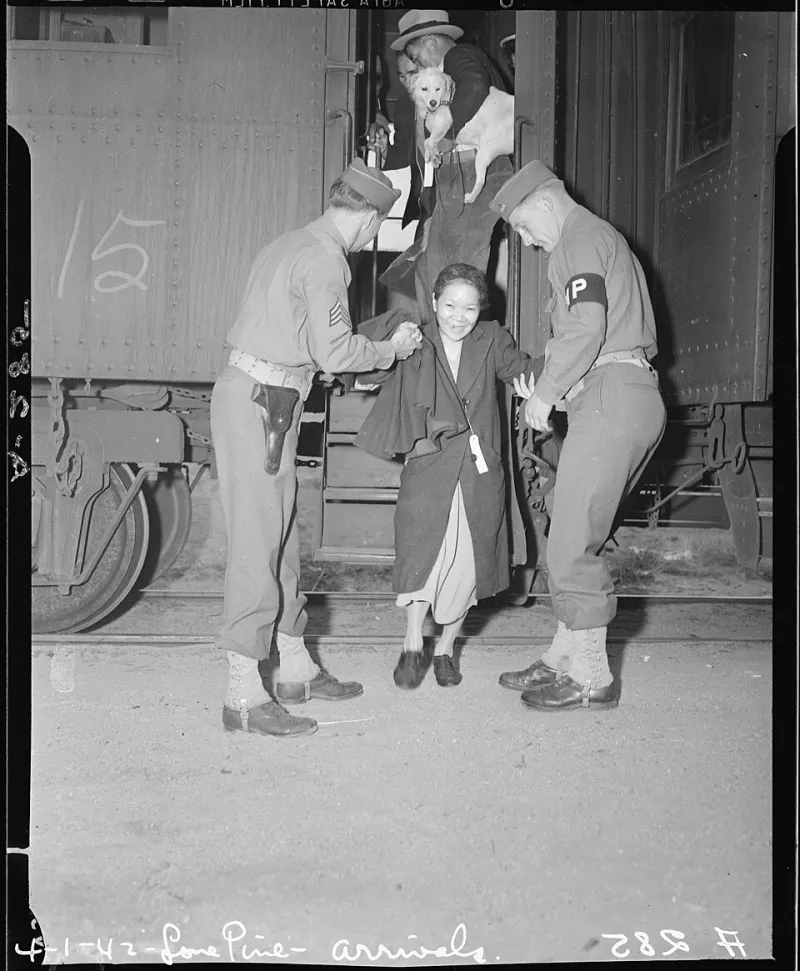
Photo: Clem Albers, Public domain, via Wikimedia Commons
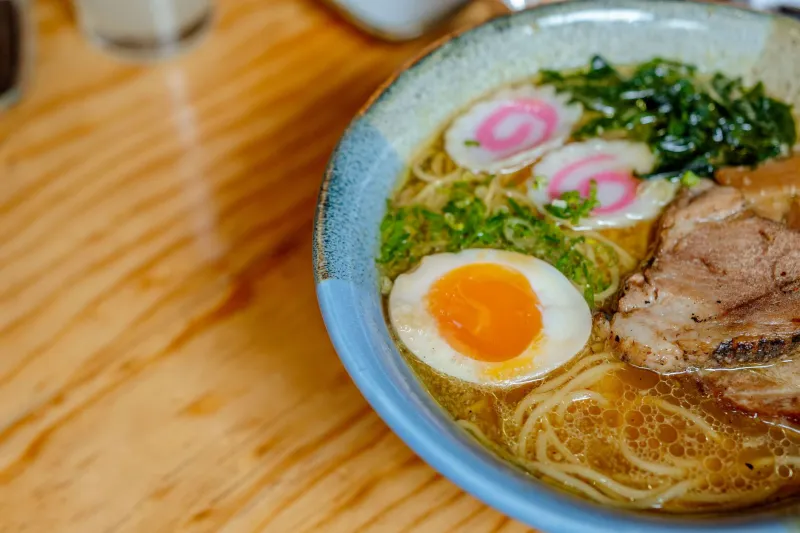
The food media version of American ramen is a pretty familiar story by now. It starts in a city — usually New York, Los Angeles, or Portland — involves a chef who trained in Japan, and ends with a bowl that costs somewhere between eighteen and twenty-six dollars. It's a good story. It's often a true story.
But it's not the only story.
Scattered across the American interior — in small towns in the Central Valley, in farming communities in the Pacific Northwest, in mid-sized cities in the Mountain West — there are Japanese-American families who have been making noodles by hand for three, four, sometimes five generations. They didn't move there to open trendy restaurants. They were already there, and they brought their food with them.
Most of them have never been profiled in a food magazine. Some of them would prefer it that way.
The Long Roots of Japanese America
To understand why Japanese noodle traditions exist in unlikely places, you have to understand the history of Japanese immigration to the United States — specifically the agricultural waves of the early twentieth century that brought Japanese laborers to California's farms, Hawaii's sugar plantations, and eventually to communities throughout the West.
These weren't urban transplants. Many settled in rural areas by design or necessity, building tight-knit communities around shared cultural practices — language schools, Buddhist temples, and food. Especially food. The act of making familiar dishes from home wasn't just about taste; it was about maintaining identity in a country that was often openly hostile to their presence.
The incarceration of Japanese Americans during World War II fractured many of these communities, scattering families to new locations when they were released. Some returned to their original towns. Many didn't. What they carried with them, in both cases, was knowledge — including the knowledge of how to make noodles from scratch.
A Family in the San Joaquin Valley
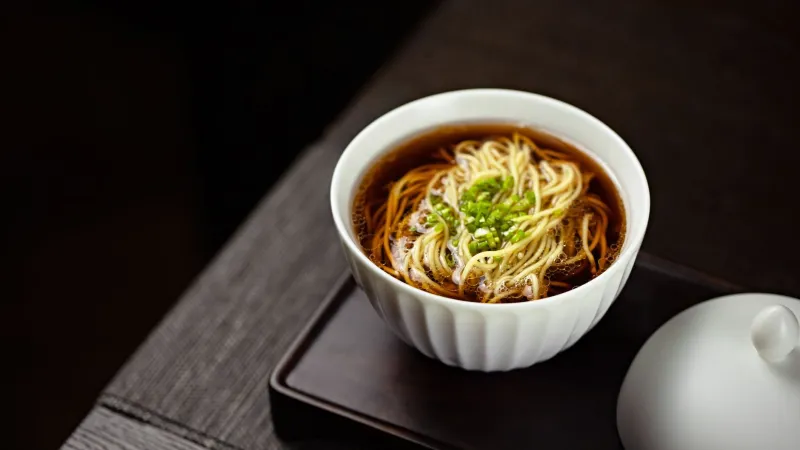
Take a third-generation Japanese-American family running a small grocery and noodle operation in a farming town in California's Central Valley. The family's matriarch, now in her seventies, learned to make ramen-style alkaline noodles from her mother, who learned from hers. The recipe — if you can call it that, since it's mostly held in muscle memory — uses a locally-milled flour and a kansui solution the family still prepares themselves.
They sell fresh noodles to the local community, mostly to other Japanese-American families who've been buying from them for decades. They've never had a website. They've never applied for a grant or entered a food competition. They don't need to. Their customer base is loyal in the way that only a multigenerational relationship can be.
What's remarkable about their noodles isn't just the technique — it's the adaptation. The wheat grown in California's Central Valley has different protein content than Japanese flour. Over generations, this family adjusted their hydration levels, their kneading time, and their resting periods to work with what was available locally. The result is a noodle that is unmistakably Japanese in character but shaped, in subtle ways, by American soil.
Oregon's Hidden Noodle Legacy
The Willamette Valley in Oregon has a longer Japanese-American agricultural history than most people realize. Nurseries and farms established by Japanese immigrants in the early 1900s — many of which were seized during the war and only partially returned — left behind communities with deep cultural roots.
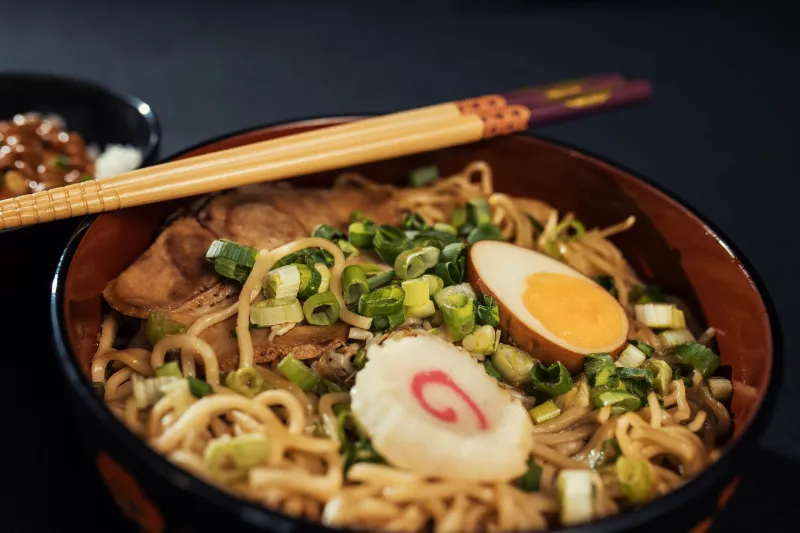
In one small town outside Salem, a fourth-generation Japanese-American man runs what can only be described as a noodle side operation out of his farm. He makes fresh ramen noodles on weekends, sells them at the local farmers market, and occasionally hosts what he calls "noodle mornings" — informal gatherings where he demonstrates the hand-stretching techniques his grandfather taught him.
He's not a restaurateur. He's a farmer who also happens to make some of the best fresh ramen noodles in the state. The people who know about him drive an hour to get there. The people who don't know about him are missing out on something that no amount of Instagram presence can replicate.
What "Authentic" Actually Means Here
There's a tendency in American food culture to locate authenticity in the source country — to assume that the most legitimate version of a dish is the one closest to its Japanese origin. But that framing misses something important about what these rural Japanese-American families have created.
Their noodle traditions are not frozen replicas of Meiji-era Japanese food. They've evolved — shaped by the ingredients available in their communities, by the American palates they've cooked for, by decades of improvisation and adaptation. In some cases, they've developed techniques that don't exist anywhere in Japan because they were solving problems that only existed in America.
That's not a compromise of authenticity. That's what living food culture actually looks like.
A ramen noodle made with Oregon wheat, using a kansui ratio dialed in over three generations to work with Pacific Northwest water, pulled by hands that learned from hands that learned from hands — that noodle has a legitimate claim to authenticity that's different from, but not lesser than, a noodle made in Tokyo today.
The Risk of Losing It All
The challenge facing many of these families is one that affects artisan food traditions everywhere: succession. The generation currently holding this knowledge is aging. Their children, in many cases, have pursued careers in other fields — medicine, tech, education. The economic logic of hand-making noodles in a small town has never been particularly favorable.
Some families are actively working to document and pass on their techniques. Others are less optimistic. One noodle maker in central California put it plainly: "When I'm gone, I don't know who keeps doing this. My kids know how, but they're not here."
The broader American food community has largely failed to recognize these artisans as the cultural treasures they are. No James Beard nominations. No Netflix specials. No viral moments. Just decades of quiet, skilled work feeding their neighbors.
Why This Matters to American Ramen
The urban ramen boom of the last fifteen years has done something genuinely good — it's made Americans more curious, more informed, and more willing to engage seriously with Japanese food culture. But it's built a mainstream narrative that centers on a very specific kind of ramen story: the trained chef, the big city, the premium bowl.
The families making noodles in rural Oregon and California's Central Valley don't fit that narrative. They predate it by generations. And in some ways, they represent a more complex, more American version of what ramen culture can mean — not just a dish imported from Japan, but a living tradition that has been adapting to this country's soil, water, and people for over a century.
Next time you're driving through a small town and you see a hand-lettered sign for fresh noodles, pull over. You might be tasting something that took four generations to get exactly right.