The Clock Is Already Running: Why Your Homemade Noodles Fall Apart Faster Than the Restaurant's
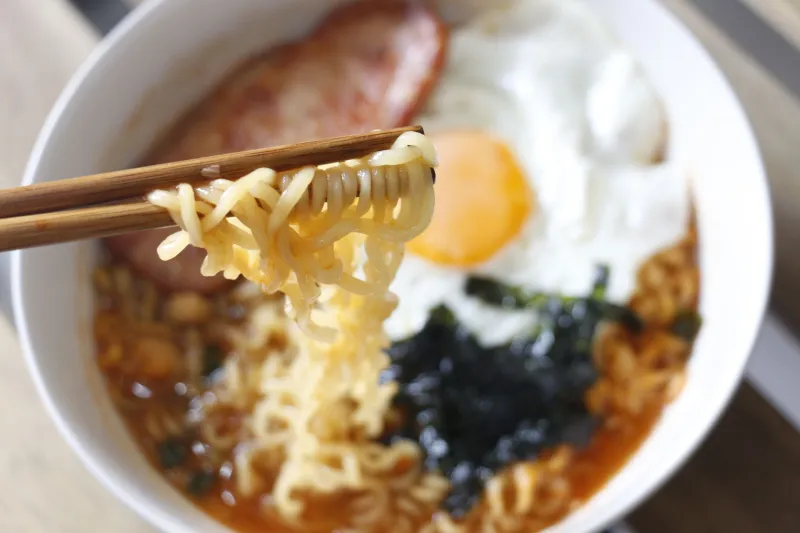
You know the feeling. You've put in the work — real work, the kind that involves a broth that's been going since yesterday and noodles you pressed yourself. You plate everything up, it looks genuinely beautiful, and then life intervenes for ninety seconds. Maybe you're grabbing your phone to photograph it. Maybe you're waiting for your partner to sit down. Maybe you just got distracted.
You come back and the noodles are already different. Not ruined, but softer. Less springy. The texture that was perfect thirty seconds ago has started its slow, inevitable slide into something you'd describe as fine rather than great.
This is the noodle lifespan problem, and it's one of the most frustrating gaps between cooking ramen at home and eating it at a restaurant. At a good ramen shop, the bowl seems to hold its texture for a surprisingly long window. At home, you feel like you're racing a timer from the moment the noodles hit the bowl. Understanding why that gap exists — and what you can actually do about it — changes everything.
Why Noodles Degrade in the First Place
Ramen noodles are made from wheat flour, water, and an alkaline agent — traditionally kansui, a solution of sodium carbonate and potassium carbonate that gives the noodles their characteristic chew and slight yellow color. When you cook noodles, you're doing two things simultaneously: gelatinizing the starch granules (which creates the soft, cooked texture) and hydrating the gluten network (which creates the chew).
The problem is that neither of those processes stops when the noodles leave the pot. They continue in the bowl, driven by the heat and moisture of the broth. Starch keeps absorbing liquid. Gluten keeps relaxing. The longer the noodles sit, the further both processes go — and the softer, more bloated, and less interesting the noodles become.
This is called starch retrogradation and gluten relaxation, and they're both happening to your noodles whether you're ready for them or not.
The Restaurant Advantage: It's Not Magic, It's Systems
When you eat at a solid ramen shop, the cook has usually thought hard about every variable that affects noodle texture — not just during cooking, but during the few minutes between the pot and your table.
Noodle composition matters enormously. Most restaurant ramen noodles have a relatively high protein content (13-15% flour protein) and often include a small amount of egg or additional alkaline agents. Higher protein means a stronger gluten network, which resists relaxation longer. The alkaline environment created by kansui also slows starch swelling, giving the noodles a longer window before they go soft.
Many serious ramen shops also use noodles with a lower moisture content than what most home cooks produce. Drier noodles take longer to fully hydrate in broth, which extends the window of ideal texture. If you're making noodles at home with a standard pasta machine, you're probably working with a wetter dough than a professional noodle press would produce — and that's part of why your noodles absorb broth faster.
Cooking temperature and timing are calibrated to the second. Restaurant ramen cooks are working with commercial burners that boil water harder and faster than any home range. This matters because a rolling, vigorous boil cooks noodles more evenly and quickly, which means less time in the pot and less pre-softening before they even hit the bowl. A gentle simmer at home can add fifteen to thirty seconds of cooking time, and that's fifteen to thirty seconds of extra starch gelatinization before the noodle ever reaches the broth.
The noodle-to-broth ratio is controlled. Restaurants typically serve noodles in a specific weight — often 120 to 150 grams per bowl — and they're using a standardized amount of broth. The ratio of noodle mass to broth volume affects how quickly the noodles continue to hydrate after plating. Too many noodles in too little broth means faster degradation. Too few noodles in too much broth means the same.
The Bowl Itself Is Part of the Equation
Here's something most home cooks never think about: bowl material significantly affects noodle lifespan.
Ceramic bowls, especially thick ones, retain heat well — which sounds like a good thing until you realize that sustained heat is exactly what drives continued starch gelatinization. A piping hot ceramic bowl keeps your noodles cooking even after they've left the pot.
Many traditional Japanese ramen shops use bowls that have been specifically designed to balance heat retention with a slightly wider surface area, allowing some heat to dissipate while keeping the broth hot enough to eat comfortably. The geometry of the bowl matters too — a deeper bowl traps steam around the noodles, accelerating softening.
At home, preheating your bowl (which is good practice for keeping broth hot) can paradoxically shorten your noodle window if you overdo it. A bowl that's been sitting in hot water for five minutes will cook your noodles more aggressively than one that's just been rinsed with warm water.
Practical Hacks for Buying Yourself More Time
None of this means you're doomed to soft noodles at home. It just means you need to be deliberate about a few things.
Undercook your noodles slightly. This is the single most impactful change most home cooks can make. If your noodles take three minutes to cook through completely, pull them at two and a half. They'll finish cooking in the bowl, and you'll have a longer window before they go past ideal. This takes some trial and error to calibrate, but it's worth it.
Shock the noodles briefly in cold water. This is controversial — some ramen purists hate it because it washes off surface starch that contributes to broth texture. But a two-second cold rinse stops carryover cooking immediately and can buy you another thirty to forty-five seconds of ideal texture. If you're plating alone and need that buffer, it's a legitimate tool.
Serve immediately and eat fast. This sounds obvious, but it's worth stating plainly: ramen is designed to be eaten quickly. The Japanese slurping culture isn't just about enjoyment — it's practical. Slurping draws air through the noodles as you eat, slightly cooling them and slowing the softening process. Eating quickly means eating the noodles at their peak. If you're taking photos, take them fast.
Adjust your broth temperature. Broth that's been sitting off the heat for a few minutes will be slightly cooler when it hits the bowl, which slows noodle degradation. This is a real tradeoff — you want hot broth — but if you're running a few minutes behind on service, pulling the broth off the heat a couple of minutes before plating can help.
Consider your noodle thickness. Thicker noodles have more interior gluten structure and degrade more slowly than thin ones. If you're regularly fighting the texture clock, switching to a slightly thicker noodle style can give you a more forgiving window without sacrificing too much.
The Honest Truth About Home Ramen Timing
Restaurants don't make noodle timing look effortless because they have some secret technique you don't. They make it look effortless because they've done it thousands of times, they've optimized every variable in their specific kitchen, and they're not simultaneously trying to carry dishes, pour drinks, and have a conversation.
At home, the best thing you can do is simplify your workflow so that the moment the noodles come out of the pot, everything else is already ready and waiting. Broth in the bowl. Toppings prepped. Person sitting down. Chopsticks out.
The noodle clock starts the second they hit the water. The chefs who make it look easy aren't beating the clock — they're just better at knowing exactly how much time they have.